

Blog
Bench Warrant Definition: A Guide for Immigrant Families
A bench warrant is a court order for someone's arrest because they missed a required court date. In one study of major U.S. jurisdictions, about 22% of defendants released before trial had bench warrants issued for failing to appear, so this is a common problem, not a rare one.
If your family is dealing with this right now, the name can sound frightening. It is serious, but it's also something people address every day. The most important thing is to understand what it means, why it matters fast when immigration is involved, and what steps can help reduce the damage.
What Is a Bench Warrant in Simple Terms
A missed traffic court date can look small until the next police stop turns it into a crisis. For an immigrant family, that kind of local court problem can quickly become much more serious if it leads to an arrest, ICE contact, and questions about release from detention.
A bench warrant is a judge's order telling law enforcement to arrest a person and bring them back to court because they did not do something the court required. In simple terms, the court is saying, “You were supposed to show up or follow an order, and now we need you back in front of the judge.”
Usually, the trigger is a missed hearing. It can also be an unpaid court-ordered fine, a missed check-in, or another ignored court instruction. The key idea is simple. The problem starts with the court process.

Why families get confused
The word “warrant” makes many families assume police believe a new crime happened. A bench warrant often starts in a more ordinary way. Someone moved and never got the notice. Someone missed traffic court after taking time off work was impossible. Someone thought paying part of a fine was enough when the judge expected a full payment or a new appearance.
The word “bench” comes from the judge's bench in the courtroom. Legal sources describe a bench warrant as a judicial order used after a person fails to appear as required, including the about 22% figure noted in this legal summary on bench warrants.
Practical rule: A bench warrant usually means the judge wants the person brought back to court. It does not decide the whole underlying case by itself.
Common examples in real life
Here are a few common situations:
- Missed traffic court: A person gets a ticket, forgets the date, and the judge issues a warrant.
- Unpaid court fine: The court expected payment or another appearance, and neither happened.
- Missed misdemeanor hearing: A low-level case stays open because the person never returned to court.
- Ignored court instruction: The court required documents, attendance, or another step, and it was not completed.
Understanding the definition of a bench warrant in plain language helps families respond faster. It can mean arrest during a routine traffic stop, a courthouse visit, or another ordinary contact with law enforcement.
What it can lead to
A bench warrant can lead to arrest, time in custody, and added pressure in the original case. It can also create a chain reaction for immigrants. A stop over a traffic matter can turn into booking at a local jail. A local jail stay can create a chance for ICE to get involved. What began as a missed court date can suddenly affect detention, bond, and a family's ability to bring someone home.
Some families also confuse a bench warrant with an immigration civil warrant. To understand that separate issue, see our explanation of what a civil warrant means in immigration matters.
If a missed court date led to a bench warrant, waiting usually makes the risk worse.
For readers who want a Texas-specific plain-language explanation, the Bryan Fagan bench warrant lawyers page is a useful outside reference because it walks through the everyday meaning of a bench warrant in a way many families can follow.
How a Bench Warrant Differs from an Arrest Warrant
The two terms sound close, but they don't start the same way.
A bench warrant is tied to court noncompliance. An arrest warrant is generally tied to probable cause connected to a criminal complaint or law-enforcement request, according to this explanation of what a bench warrant means.

Side by side comparison
| Issue | Bench warrant | Arrest warrant |
|---|---|---|
| Main trigger | Missing court or violating a court order | Probable cause tied to an alleged crime |
| How it starts | Judge responds to noncompliance | Often grows out of a police investigation or complaint |
| Main purpose | Bring the person back before the court | Arrest the person based on the alleged offense |
This difference matters because families often panic and assume the person is being accused of something new. Sometimes that isn't what's happening. Sometimes the urgent issue is that the court says, “You were supposed to come back, and you didn't.”
Why this distinction matters for immigrants
For an immigrant family, that difference may not feel important at first. The person can still be arrested. But understanding the cause helps you understand the next move.
If the problem is a bench warrant, the focus is usually on getting the court issue addressed. If the person also ends up in immigration custody, then the family suddenly has two systems to deal with at once. One is the local or state court matter. The other is ICE detention.
A bench warrant is about compliance with the court's process. An arrest warrant is usually about an alleged crime.
How a Bench Warrant Can Lead to ICE Detention
A bench warrant can start with something small. The consequences may not stay small.

A common example looks like this. A father in Atlanta is driving to work. He gets pulled over for a routine traffic issue. The officer checks his information, finds an old bench warrant tied to a missed court date on a traffic matter, and arrests him.
Now the situation changes fast. If that person is not a U.S. citizen, the local arrest can put him in contact with the immigration system. In some cases, ICE may place a detainer, and the family learns that solving the local issue doesn't always mean the person will walk out the door.
Why a minor court problem can become a major detention problem
Bench-warrant arrests are not a small side issue in city court systems. In a 2019 analysis, arrests driven solely by outstanding bench warrants made up 14% of all arrests in St. Louis City and 19% in Louisville, Kentucky, and the report noted that many of these underlying matters were misdemeanors or local ordinance issues, with traffic violations being the most common charge type leading to bench warrants, as described in this Data Collaborative for Justice release on warrant-driven arrests.
That matters for immigrant families because the original problem may look minor on paper. A missed traffic hearing doesn't sound like something that should separate a family. But once arrest happens, the person may enter a system where immigration consequences become immediate.
What families often see next
The sequence often feels confusing because it moves through different agencies.
- First contact: Police stop or encounter the person.
- Warrant discovery: The old bench warrant appears in the system.
- Local arrest: The person is taken into custody.
- Immigration concern: ICE may become involved if the person is potentially removable or already in proceedings.
- Detention stress: Family members start searching for release options and may need to understand what an ICE detainer means.
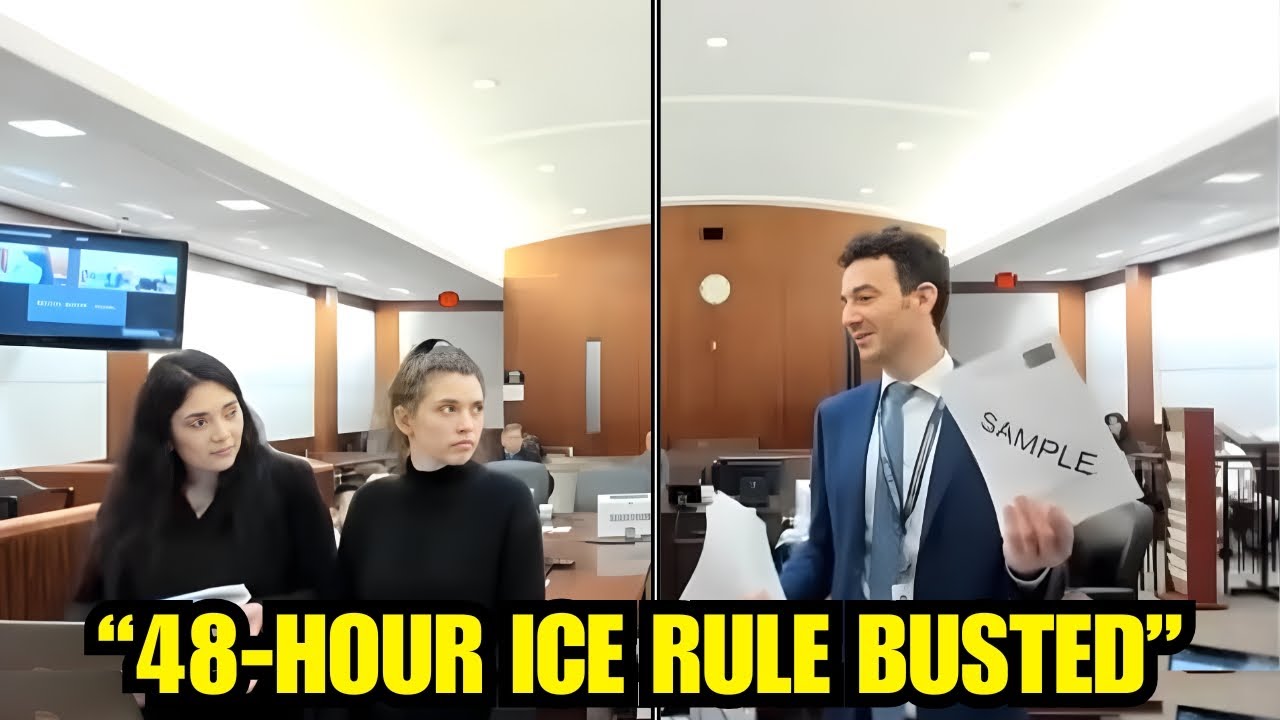
Here's a short video that helps families understand how detention issues can escalate once immigration custody is involved.
Why timing matters so much
A family in Dallas or Los Angeles may think, “We'll handle that old ticket later.” But once a bench warrant leads to arrest, later may be too late to avoid detention.
This is why the bench warrant definition should never be treated as just a legal dictionary term. For immigrant families, it can be the start of an emergency involving local custody, ICE detention, and the need to figure out immigration bond options quickly.
The Impact of a Bench Warrant on Your Immigration Bond
Once someone is in ICE custody, an unresolved bench warrant can make the bond process harder. The court that issued the warrant is focused on compliance. Immigration authorities may also look at that history and see missed appearances as a warning sign.
That doesn't mean every case ends the same way. It does mean the bench warrant can affect how risk is viewed.
Why it affects bond decisions
Court administration sources describe a bench warrant as a compliance-enforcement tool meant to compel presence, and they note that resolving the missed appearance quickly is often the most effective way to reduce downstream risks, including a judge viewing someone as a higher flight risk and setting a higher immigration bond, as explained in the New Jersey Courts glossary entry on bench warrants.
In plain language, the concern is simple. If one court believes a person failed to show up before, another decision-maker may worry it could happen again.
An old missed court date can follow a person into immigration detention, even when the original issue looked minor.
What this can mean for families
Families often face several pressures at once:
- Bond uncertainty: The person may still qualify for bond, but the process can feel less predictable.
- More paperwork stress: Families may need to gather records, court details, and detention information quickly.
- Faster decisions: Loved ones want release as soon as possible, but rushed mistakes can cause delay.
- Two systems at once: The local court issue still matters while the immigration detention case moves forward.
That is why support matters. The family may be talking with a criminal defense attorney or immigration attorney while also trying to understand bond payment logistics, detention-center rules, and release timing.
The payment side families need to know
ICE now uses the CE-Bond system for public bond payments. ICE no longer accepts cashier's checks in person. Public bond payments go through the CE-Bond portal, and that process can involve account creation, approval delays, wire instructions, and slow release confirmation.
Families may still choose CE-Bond if they want to pay directly through the government system. That choice should be respected. But they should also know that CE-Bond can cause multiple days of delay, especially when the family is already dealing with a bench warrant issue in another court.
In situations like this, some families work with an immigration bond company to coordinate the release process and reduce confusion. For example, US Immigration Bonds & Insurance Services works with families and attorneys on immigration bond paperwork, payment logistics, collateral questions, and release coordination when ICE detention is involved.
What families can do while the case is moving
A bench warrant doesn't resolve itself, and the immigration bond issue won't pause just because the family feels overwhelmed. Gathering the correct court information fast, staying in contact with legal counsel, and preparing for the bond process are often the most practical steps.
Practical Steps to Address a Bench Warrant
When families ask about bench warrant definition, what they usually want to know is this. “What do we do now?”
The first answer is simple. Don't ignore it. Sources focused on bench warrants note that they stay active until the court acts, and that police can arrest the person at any time, which is why timing matters so much in the process of getting the warrant recalled and avoiding further consequences, as explained in this Georgia-focused discussion of active bench warrants.

A simple action plan
-
Find the exact court details
Get the court name, case number if available, and the reason for the missed appearance or violation. Families often know only part of the story. The more exact the information, the easier it is for an attorney to step in. -
Talk to a qualified attorney quickly
We're not a law firm, and this isn't legal advice. But if a bench warrant exists, legal guidance matters. The person may need help arranging the safest way to address the court issue. -
Check whether ICE detention is also involved
If your loved one is already being held or transferred, the local warrant is only one part of the problem. You also need to understand detention status, possible bond eligibility, and release procedures. -
Prepare documents and support early
Families lose time when everyone is waiting on the same paperwork. Keep IDs, detention details, sponsor information, proof of address, and financial records organized.
Extra support can make the process smoother
Some families also need help gathering records, organizing paperwork, or supporting the attorney's office with practical tasks. In those situations, trained support staff such as paralegals can be useful in a broader case workflow, depending on what the attorney handling the matter needs.
If you're trying to understand the next stage after a warrant becomes active, this guide on what happens after a warrant is issued can help families see the process more clearly.
The fastest path is usually the most organized one. Get the facts, get legal guidance, and keep the immigration side moving at the same time.
What not to do
A few mistakes make these situations worse:
- Don't assume it disappeared: Bench warrants usually remain active until the court takes action.
- Don't rely on memory: Court dates, ticket details, and old paperwork are often misremembered.
- Don't wait for another traffic stop: Many people only learn how serious this is after an arrest.
- Don't treat the immigration part as separate: If ICE detention is involved, every delay can affect release timing.
For families in Miami, Houston, Dallas, Atlanta, or Los Angeles, this often feels like too much at once. That reaction is normal. The best response is steady action, not panic.
Your Key to Freedom Starts with a Phone Call
A family can go from worrying about an old traffic case to trying to get a loved one out of ICE detention in a single day. That is why the first phone call matters.
At this stage, families usually are not looking for legal theory. They need clear, practical answers. They need to know how an immigration bond works, what payment options may be available, whether collateral may be required, how sponsor paperwork is handled, and what kind of release timing to expect. They also need that information in plain English or Spanish, because stress makes every form and every instruction harder to follow.
Working with a team that handles ICE detention cases every day gives families a real advantage. A bond support team can explain the bond process step by step, coordinate with the attorney, help organize sponsor documents, explain collateral requirements, and prepare the family for what happens after payment is made. Good support also means honest answers about CE-Bond delays, release timing, and the parts of the process that still depend on ICE and the detention facility.
For immigrants, a bench warrant is not just a local court problem. It can affect detention, delay release, and add pressure to an immigration bond case at the worst possible moment. Families often feel pulled in two directions at once. One problem is in local court, and the other is in the immigration system. Both need attention.
If your loved one is detained in Miami, Atlanta, Houston, Dallas, Los Angeles, or another city, act early and stay organized. Calm, prompt action often gives a family more options than waiting and hoping the problem will sort itself out.
If your loved one is in ICE detention and a bench warrant is making the situation more urgent, contact US Immigration Bonds & Insurance Services today. Call or text 24/7 for nationwide support, bilingual English and Spanish help, low fees, and step by step guidance on payment, collateral, and release timing. Their team helps families in Miami, Atlanta, Houston, Dallas, Los Angeles, and across the country understand what needs to happen next.
